



Workiv.Brand & community
Victorian Naginata Federation a rebrand decided with its community
A new identity for a martial arts federation, decided with the people who use it.
The brief
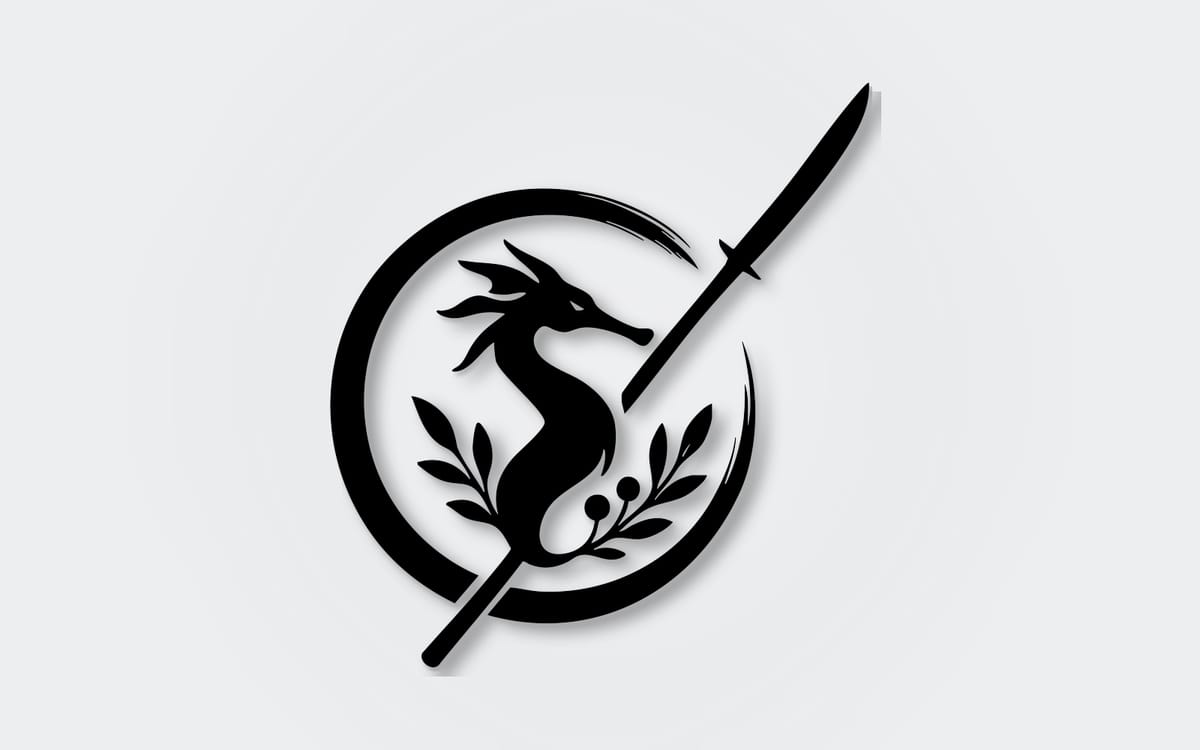
The federation needed a stronger, more contemporary identity, centred on a new logo that could represent its community and its presence in the sport.
The tension was clear from the start. Tradition and modernity, symbolic meaning and readability, what the local community expected and what national stakeholders needed. I wanted the community in the room for the decision, so the final mark would belong to the people who use it.
- Role
- Brand identity leadCreative direction and design, commissioned as Digital Designer
- When
- June 2025 – February 2026
- Context
- I also sit on the General Committee of the Australian Naginata Federation
From brief to mark
I ran the rebrand as a structured process, with clear criteria for the decision, a review the community could take part in, and refinement rounds shaped by what came back.
- i.
Brief
What the identity had to carry, and how we would decide.
- ii.
Routes
Several distinct concept routes, each with its own logic.
- iii.
Community vote
Structured review and voting, with comments, from 30+ participants.
- iv.
Refinement
Successive rounds with local committee and national federation feedback.
- v.
Final
The chosen mark, a logo suite, usage guidance and handover files.
The verdict
97%
satisfaction with the final logo direction
From 30+ unique participants, recorded after multi-round concept testing and stakeholder review.
Led I designed the work and ran the testing
Delivered
- Final logo suiteIdentity
- Usage guidanceGuidelines
- Handover assetsFiles
What I led
What I did
- Creative direction and the concept routes
- Framed the decision criteria and the review process
- Facilitated committee feedback rounds
- Refined the chosen direction and produced the final suite
v. In short
I gave the community a real say and still landed a mark with a clear point of view. 97% of participants were happy with where it ended up.